
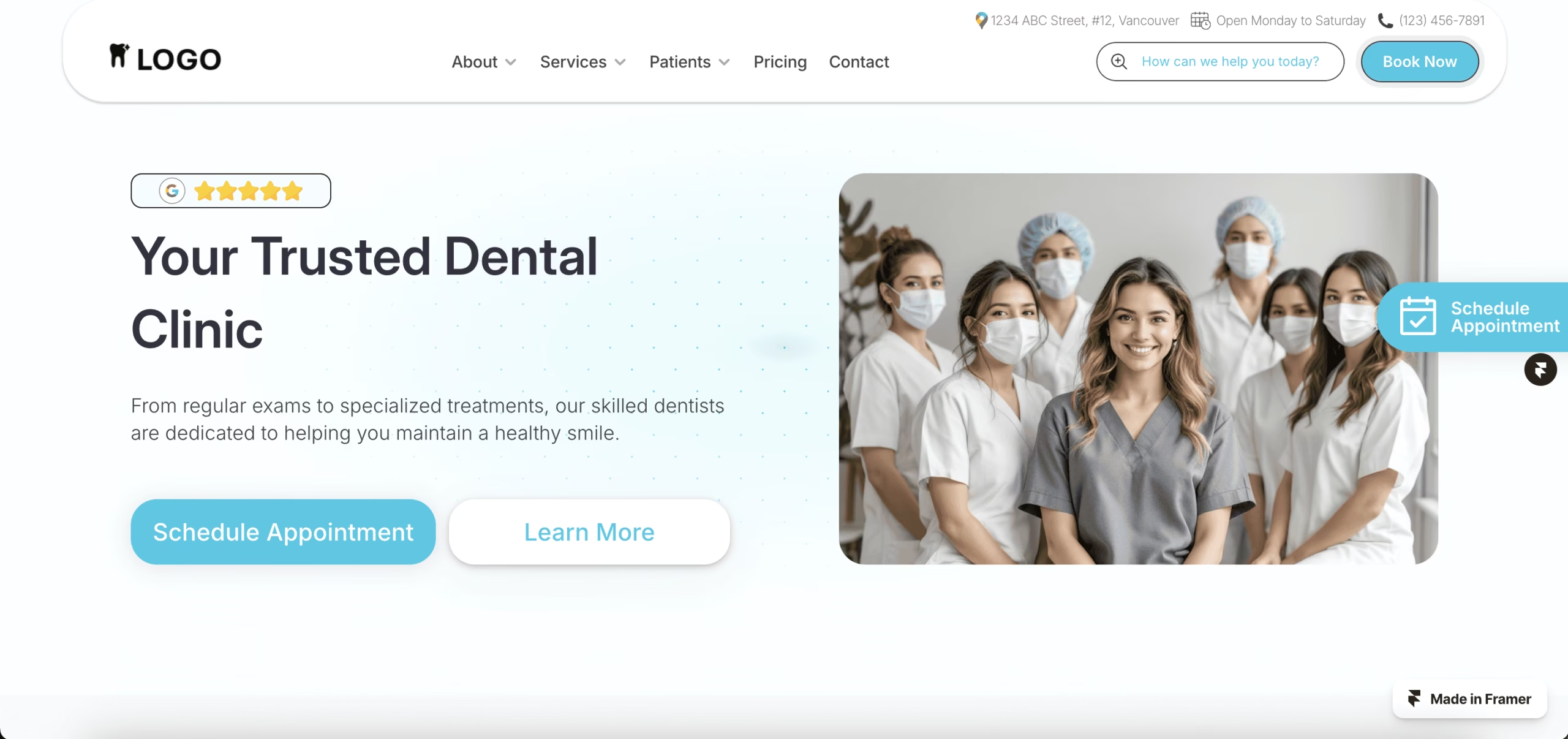
Best Dental Website Designs UK 2026: Examples That Win Patients
The best dental website designs in the UK for 2026 do far more than look attractive – they build instant trust, load in seconds and guide nervous patients straight to a booking. With most dental searches now happening on a phone, a practice’s website is its hardest-working member of staff. In this guide we break down the design styles, features and SEO foundations behind the highest-performing dental websites this year, so you can benchmark your own site and plan your next redesign.
What makes a dental website “the best” in 2026?
A beautiful homepage means nothing if visitors leave without booking. The strongest dental websites are judged on patient enquiries, not awards. Across the top UK practices, the same structural decisions appear again and again:
- Mobile-first design – the majority of dental traffic is on mobile, so layouts are built for small screens first, then scaled up.
- Sub-three-second load speeds – fast pages reduce bounce rates and help with Google rankings.
- Clear booking pathways – a sticky “Book Now” button and online booking that syncs with the practice diary remove friction.
- Trust signals – GDC registration, CQC ratings, real patient reviews and team photos reassure anxious visitors within the first five seconds.
- Service-specific SEO pages – dedicated pages for Invisalign, implants, veneers and emergency dentistry capture targeted local searches.
Get these foundations right and the visual styling below has something solid to sit on.
The best dental website design styles for 2026
1. The calming, conversion-first homepage
Soft, muted colour palettes – sage greens, warm neutrals and gentle blues – directly counter dental anxiety, which affects a large share of UK patients. Pair this with a full-width hero video of the practice and a single, obvious call to action, and you have a homepage that feels welcoming rather than clinical. This is the most reliably high-converting style for general and family practices.
2. The premium cosmetic and implant brand
For practices marketing high-value treatments like implants, veneers and smile makeovers, design needs to signal luxury. Think bold editorial typography, generous white space, before-and-after galleries and subtle micro-animations. The aesthetic mirrors a premium skincare or fashion brand more than a traditional dentist – appropriate when a single case can be worth thousands.
3. The minimalist, content-led layout
White-space-heavy designs with simple iconography and muted tones let the content breathe. Every section has a clear purpose, services are organised under keyword-focused headings, and nothing competes for attention. This style proves that elegant restraint often converts better than a busy, feature-stuffed page.
4. The personality-driven practice
Some of the best dental websites lead with heart. Within seconds you meet the team, see real patients and get a virtual tour of the surgery. This human, localised approach builds connection fast – and Google rewards the original, location-specific content that comes with it.
5. The tech-enabled, integrated site
The most advanced UK dental websites connect directly to practice management software so that an online booking drops straight into the clinical diary in real time, with no manual front-desk entry. Add an AI chat widget to answer common questions out of hours, and the site quietly books patients around the clock.
The features behind every high-performing dental website
If you’re planning a redesign in 2026, prioritise these essentials:
- Responsive design that adapts cleanly to phones, tablets and desktops.
- Online booking integrated with your diary or practice management system.
- Treatment pages optimised for local SEO with descriptive headings, optimised image alt tags and internal linking.
- Embedded Google reviews to provide fresh social proof.
- Fast, compressed imagery and clean code for strong Core Web Vitals.
- Accessible, compliant contact forms that protect patient data.
- Clear local signposting – location, opening hours and a map – to support “dentist near me” searches.
How dental website design and SEO work together
Design and search visibility are not separate projects – the best dental websites are built to rank from day one. Site architecture, page structure and technical performance all feed local SEO. A logical menu, a dedicated page per treatment and a fast mobile experience help Google understand and rank the site, while the design keeps visitors engaged long enough to book. Investing in both, rather than treating SEO as an afterthought, is what separates practices that quietly grow from those that keep paying for ads.
Planning your dental website redesign for 2026
Start by auditing your current site against the checklist above: is it fast, is booking effortless on mobile, and does it earn trust in the first few seconds? Identify your highest-value treatments and ensure each has a dedicated, SEO-optimised page. Then choose a design style that matches your patient base – calming and reassuring for families, premium and editorial for cosmetic work. Whether you build in-house or partner with a specialist dental web design agency, keep the focus on one thing: turning visitors into booked patients.
Frequently asked questions
What makes a good dental website in 2026? A good dental website loads in under three seconds, works flawlessly on mobile, offers easy online booking, displays clear trust signals like reviews and GDC registration, and has dedicated SEO pages for each treatment.
How much does a dental website cost in the UK? Costs vary widely depending on whether you use a template or a bespoke build, and whether SEO and software integration are included. Always confirm what’s covered before committing, and weigh the price against the patient enquiries a well-designed site can generate.
Does dental website design affect SEO? Yes. Mobile-first layout, fast load speed, clean site architecture and well-structured treatment pages all directly influence how well a dental website ranks in local search.
How often should a dental practice redesign its website? As a guide, review your site every two to three years, or sooner if it isn’t mobile-friendly, loads slowly, or no longer reflects the treatments and standards your practice offers.


 Call Now
  Book A Call