If you run a business in Nottingham and you’re not investing in PPC advertising in 2026, there’s a very real chance your competitors already are – and they’re capturing the customers who should be yours. Pay-per-click advertising has evolved dramatically over the past few years, and in 2026 it remains one of the fastest, most measurable ways to put your brand directly in front of people who are actively searching for what you offer, right here in Nottingham and the surrounding East Midlands region.
This guide is written specifically for Nottingham business owners, marketing managers, and anyone considering working with a local PPC agency. We’ll cover everything from the fundamentals of how PPC works, to the specific strategies and trends shaping paid search in 2026, and what to look for when choosing a PPC partner in Nottingham.
What Is PPC and Why Does It Matter in 2026?
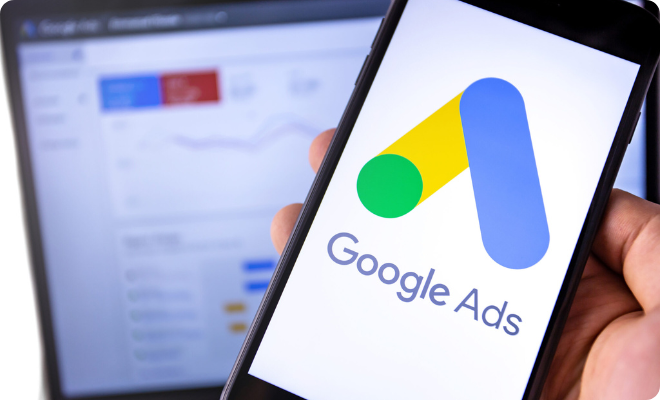
PPC – pay-per-click – is a form of online advertising where you pay only when someone clicks your advert. The most well-known platform is Google Ads, though Microsoft Ads (Bing), Meta Ads (Facebook and Instagram), and LinkedIn Ads all operate on similar models. When someone in Nottingham searches for “emergency plumber Nottingham” or “accountant near me,” the adverts that appear at the top of the results page are almost certainly PPC ads.
What Does This Mean?
In 2026, PPC matters more than ever for a simple reason: search behaviour has intensified. People are more comfortable buying online, more willing to click ads when they reflect genuine intent, and increasingly using voice and AI-assisted search to find local services. Google’s own AI-powered search features – including AI Overviews – have changed what organic results look like, making paid placements even more prominent and valuable for local businesses.
For Nottingham businesses specifically, PPC offers something that national campaigns often can’t: hyper-local targeting. You can restrict your ads to show only to people within a specific radius of your Nottingham premises, or target by postcode, by time of day, by device, and even by household income bracket. This precision is what separates a well-run local PPC campaign from a wasteful one.
The Nottingham Business Landscape and PPC in 2026
Nottingham is one of the UK’s most economically dynamic regional cities. With a population of over 330,000 and a wider conurbation approaching 800,000, the city supports a diverse commercial ecosystem – from independent retailers in the Lace Market and Victoria Centre, to professional services firms in the city centre, construction and trade businesses serving the suburbs, and a significant hospitality and leisure sector.
This diversity means PPC looks very different depending on your sector. A Nottingham solicitor running Google Ads for personal injury claims will be competing in one of the most expensive PPC landscapes in the UK. A local restaurant targeting “best Sunday roast Nottingham” faces a completely different competitive dynamic. Understanding the Nottingham market – its search volumes, its seasonal patterns, its competitive intensity by sector – is what separates a knowledgeable local PPC agency from a generic national provider who drops your campaigns into a template.
Key Nottingham Sectors Where PPC Delivers Strong Results
- Legal and professional services – solicitors, accountants, financial advisers, estate agents
- Trades and home services – plumbers, electricians, roofers, landscapers, cleaning companies
- Healthcare and dental – private clinics, dentists, physiotherapists, cosmetic treatment providers
- Hospitality and leisure – restaurants, bars, hotels, event venues
- Education and training – driving schools, tutoring, professional courses
- Retail (e-commerce and local) – particularly niche or premium product categories
- Construction and property – new builds, renovations, commercial property
How PPC Works: A Clear Overview
At its core, PPC advertising on Google works through an auction system. When a user types a search query, Google runs an instant auction among all advertisers bidding on relevant keywords. The winner isn’t necessarily the one who bids the most – Google’s algorithm factors in your Quality Score, which reflects the relevance of your ad, the quality of your landing page, and your expected click-through rate.
This means that a well-optimised Nottingham PPC campaign can outperform a larger-budget competitor simply through better targeting, better ad copy, and better landing page experience. It levels the playing field – and it’s exactly why working with an experienced PPC specialist in Nottingham is worth every penny.
The Key Components of a Successful PPC Campaign
- Keyword research – identifying the exact search terms your Nottingham customers use, including long-tail and local variants
- Ad copy – compelling, relevant headlines and descriptions that earn clicks and build trust
- Landing pages – conversion-optimised pages that match the user’s intent and make it easy to enquire or buy
- Bid strategy – choosing between manual bidding and Smart Bidding strategies such as Target CPA or Target ROAS
- Audience targeting – layering in demographic, interest, and remarketing audiences
- Negative keywords – excluding irrelevant searches to protect budget from waste
- Conversion tracking – measuring phone calls, form submissions, purchases, and other goal completions accurately
PPC Trends Shaping Nottingham Campaigns in 2026
The PPC landscape in 2026 is substantially different from even two or three years ago. Here are the most important trends every Nottingham business owner should understand.
1. AI-Powered Bidding and Campaign Automation
Google’s Smart Bidding has matured significantly. In 2026, the vast majority of high-performing campaigns use some form of automated bidding – Target CPA (cost per acquisition), Target ROAS (return on ad spend), or Maximise Conversions. These tools use machine learning to adjust bids in real time based on hundreds of signals, from device type and location to time of day and user behaviour patterns.
For Nottingham businesses, this means campaigns can automatically bid more aggressively when someone in NG1 searches on a Tuesday lunchtime on their phone – if that’s historically when your conversions happen – and pull back spend in lower-value moments. The key is feeding the algorithm with clean, accurate conversion data. Without it, automated bidding can cause significant waste.
2. Performance Max Campaigns
Google’s Performance Max (PMax) format has become central to many advertisers’ strategies in 2026. PMax campaigns run across all of Google’s channels – Search, Shopping, Display, YouTube, Gmail, and Maps – from a single campaign. For Nottingham local businesses, PMax with store visit or local conversion goals can be a powerful way to drive both online and foot traffic. However, PMax requires careful asset creation and audience signal input. Without these, Google’s automation can serve your ads in irrelevant contexts. A skilled Nottingham PPC agency will know how to set up PMax campaigns with the right guardrails.
3. The Impact of AI Search on PPC Visibility
Google’s AI Overviews – the AI-generated summaries that appear above traditional results – have changed the organic search landscape considerably. For many informational queries, organic results are now buried below AI-generated content. This has pushed more visibility and click-through opportunity toward paid results, making a well-managed PPC presence even more important for Nottingham businesses in 2026.
4. Local Service Ads and Google Business Profile Integration
For trade businesses and professional services in Nottingham, Local Service Ads (LSAs) – which appear above even standard Google Ads – have become an essential part of the paid search mix in 2026. LSAs operate on a pay-per-lead model rather than pay-per-click and are tied to your Google Business Profile and verified reviews. Getting this set up correctly, alongside your standard PPC campaigns, can dramatically increase your visibility on the Nottingham search results page.
5. First-Party Data and Audience Strategy
With third-party cookies largely phased out, first-party data has become the most valuable asset in digital advertising. Nottingham businesses that have built email lists, CRM databases, and website audience pools are seeing significant advantages in 2026 – these lists can be uploaded to Google Ads as Customer Match audiences, enabling precise remarketing and lookalike targeting to find new customers who resemble your best existing ones.
How Much Does PPC Cost for Nottingham Businesses?
This is the question every Nottingham business owner asks first – and it’s completely understandable. The honest answer is: it depends enormously on your industry, your competition, and your goals. However, here are some realistic benchmarks for the Nottingham market in 2026.
- Trades and home services – average cost per click between £1.50 and £6.00; monthly budgets from £500–£2,000 for meaningful volume
- Legal services – average cost per click between £8 and £40+ for competitive terms; monthly budgets typically £2,000–£10,000+
- Healthcare and cosmetic – average cost per click between £2 and £15; monthly budgets from £800–£4,000
- Restaurants and hospitality – average cost per click between £0.50 and £3.00; monthly budgets from £300–£1,500
- E-commerce / retail – highly variable by product category; Google Shopping campaigns can work from £500/month upward
On top of your ad spend, you’ll typically pay a management fee to a PPC agency or consultant. In Nottingham, this commonly ranges from £300 to £1,500+ per month depending on the complexity of your campaigns and the size of your budget. Be cautious of agencies charging very low management fees – effective PPC management requires significant ongoing time and expertise.
Choosing the Right PPC Agency in Nottingham
The Nottingham digital marketing scene has grown substantially. There are now dozens of agencies and freelance consultants offering PPC services across the city and wider Nottinghamshire area. Choosing the right partner is one of the most important decisions you’ll make for your marketing budget. Here’s what to look for.
Google Partner Status
Look for agencies that hold Google Partner or Premier Google Partner status. Premier Partners are in the top 3% of Google Ads agencies in the UK and receive early access to new features, dedicated Google support, and regular performance benchmarking. It’s not the only indicator of quality, but it’s a meaningful one.
Transparent Reporting
You should always know exactly what your budget is being spent on and what results it’s generating. Avoid agencies that are vague about where your ad spend goes or that only report on clicks and impressions rather than actual conversions and revenue. Ask to see example reports before signing any contract.
Local Knowledge
A Nottingham-based PPC agency that understands the local market – Nottingham’s postcode geography, its seasonal events, its competitive landscape by sector – will make smarter decisions with your budget than a remote generalist. Ask specifically how they approach local targeting for Nottingham clients.
Clear Contract Terms
Be wary of long lock-in contracts. Reputable Nottingham PPC agencies will typically offer rolling monthly agreements or reasonable notice periods, because they’re confident in their ability to deliver results. Make sure you understand who owns the Google Ads account – it should always be you, not the agency.
Questions to Ask a Potential Nottingham PPC Agency
- Can you show me case studies from Nottingham clients in my sector?
- How do you structure campaigns for local service businesses specifically?
- Who will actually manage my account day-to-day?
- How do you track conversions – calls, forms, purchases?
- What does your onboarding process look like?
- How often will I receive reports, and what will they include?
- Do I retain ownership of the Google Ads account if I leave?
Getting Started: What to Expect in the First 90 Days
PPC is not an overnight solution, but it’s faster than almost any other digital marketing channel. Here’s a realistic timeline for a new Nottingham PPC campaign.
Days 1–14: Setup and Launch
Account structure, keyword research, ad copy creation, conversion tracking setup, and landing page review. A good agency will invest significant time here – this groundwork determines everything that follows.
Days 15–45: Learning Phase
Google’s algorithm enters a learning phase when a new campaign launches or significant changes are made. Performance may be variable during this period. Resist the urge to make constant changes – let the data accumulate.
Days 46–90: Optimisation and Scaling
With meaningful data now available, your agency should be making structured optimisations: pausing underperforming keywords, expanding what’s working, refining bid strategies, testing new ad variations. By the end of month three, you should have a clear picture of your cost per lead or cost per sale and a roadmap for scaling.
Conclusion: PPC in Nottingham in 2026 Is an Opportunity You Shouldn’t Miss
The businesses winning in Nottingham in 2026 are those that combine a strong local reputation with a visible, well-managed digital presence. PPC advertising – done properly – is one of the most reliable ways to generate enquiries and sales from people who are actively looking for exactly what you offer, right now, in your area.
Whether you’re completely new to paid search or you’ve been running campaigns for years and suspect they could be performing better, there has never been a better time to invest in expert PPC management in Nottingham. The tools are more powerful than ever, the targeting is more precise, and the returns – for businesses that get the strategy right – are genuinely transformational.

 Call Now
  Book A Call