If you’ve ever wondered why some businesses dominate the first page of Google while others remain invisible, the answer almost always comes down to one thing: SEO. Search engine optimisation is no longer a nice-to-have it’s one of the most powerful tools available to any business looking to grow online. Whether you’re a local tradesperson or a scaling e-commerce brand, understanding why SEO is important for your business could be the difference between thriving and being left behind.
What Is SEO and Why Does It Matter?
SEO (search engine optimisation) is the process of improving your website so that it ranks higher in search engine results pages (SERPs) like Google. When someone searches for a product or service you offer, SEO determines whether your business shows up – or your competitor’s does.
In 2025, over 8.5 billion searches are made on Google every single day. The vast majority of users click on results that appear on the first page, and fewer than 1% ever scroll to page two. This means that if your business isn’t ranking well, you’re essentially invisible to the people who need you most.
The Key Benefits of SEO for Your Business
1. Drives High-Quality Organic Traffic
Unlike paid advertising, organic traffic through SEO is free. More importantly, it’s highly targeted. People searching for “best accountant in Manchester” or “affordable web design near me” are actively looking for exactly what you offer. SEO puts your business in front of these ready-to-buy customers at the exact moment they’re searching.
2. Builds Trust and Brand Credibility
Websites that appear at the top of Google are perceived as more trustworthy and authoritative. A strong SEO strategy – including quality content, backlinks, and a fast, secure website – signals to both search engines and users that your business is credible. Over time, this builds lasting brand authority in your industry.
3. Delivers a Strong Return on Investment
SEO consistently delivers one of the highest ROIs of any digital marketing channel. Unlike pay-per-click (PPC) ads where traffic stops the moment your budget runs out, SEO builds compounding value over time. A well-optimised page can continue generating traffic and leads for months or even years after it’s published.
4. Helps You Understand Your Customers
SEO tools and analytics give you deep insight into what your customers are searching for, what questions they have, and what problems they need solving. This data is invaluable – not just for your website, but for shaping your entire marketing and product strategy.
5. Gives You a Competitive Edge
Your competitors are investing in SEO. Businesses that appear consistently in search results are capturing market share that could be yours. A strong SEO strategy ensures you remain competitive, and with the right approach, you can outrank even larger competitors by targeting the right keywords and producing genuinely helpful content.
6. Supports Every Other Marketing Channel
SEO doesn’t exist in isolation. Great content created for SEO purposes can be repurposed for social media, email campaigns, and paid ads. A well-optimised website also improves the performance of your Google Ads campaigns by increasing your Quality Score, reducing cost-per-click, and improving conversion rates.
7. Local SEO Drives Foot Traffic and Local Leads
For businesses serving a specific area, local SEO is essential. Appearing in Google’s “Local Pack” – the map-based results that appear for searches like “plumber near me” or “coffee shop in Leeds” – can dramatically increase phone calls, website visits, and footfall to your physical location.
Common SEO Myths Debunked
“SEO is just about keywords.” While keywords are important, modern SEO is about much more – user experience, page speed, mobile-friendliness, backlink quality, and content depth all play a significant role.
“SEO results are instant.” SEO is a long-term strategy. Most businesses begin seeing meaningful results within three to six months, with compounding growth over time. The businesses that win at SEO are the ones that commit to it consistently.
“My business is too small to need SEO.” Small businesses arguably need SEO more than anyone. It levels the playing field, allowing you to compete with larger brands without needing a massive advertising budget.
How to Get Started with SEO
Getting started with SEO doesn’t have to be overwhelming. Here are the foundational steps every business should take:
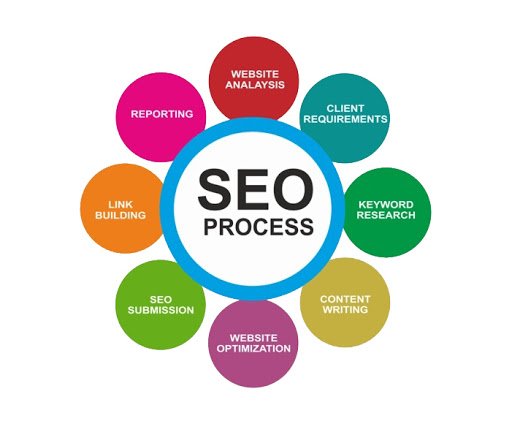
- Keyword research – Identify the terms your ideal customers are searching for.
- On-page optimisation – Ensure each page has a clear focus keyword, optimised title tags, meta descriptions, and structured headings.
- Create quality content – Publish helpful, informative content that answers your audience’s questions.
- Technical SEO – Make sure your website is fast, mobile-friendly, and easy for Google to crawl and index.
- Build backlinks – Earn links from reputable websites to boost your domain authority.
- Local SEO – Set up and optimise your Google Business Profile if you serve a local audience.
- Track and refine – Use tools like Google Search Console and Google Analytics to monitor performance and improve over time.
Final Thoughts
The importance of SEO for your business cannot be overstated. In an increasingly competitive digital landscape, businesses that invest in SEO build a sustainable, long-term engine for growth. It drives targeted traffic, builds credibility, delivers strong ROI, and keeps you visible to the customers who matter most.
Whether you’re just getting started or looking to take your existing efforts to the next level, now is the time to make SEO a core part of your business strategy. The businesses ranking on page one of Google didn’t get there by accident – they got there because they made SEO a priority.
Ready to grow your business through SEO? Start by auditing your website today and identifying your biggest opportunities for improvement.

 Call Now
  Book A Call